
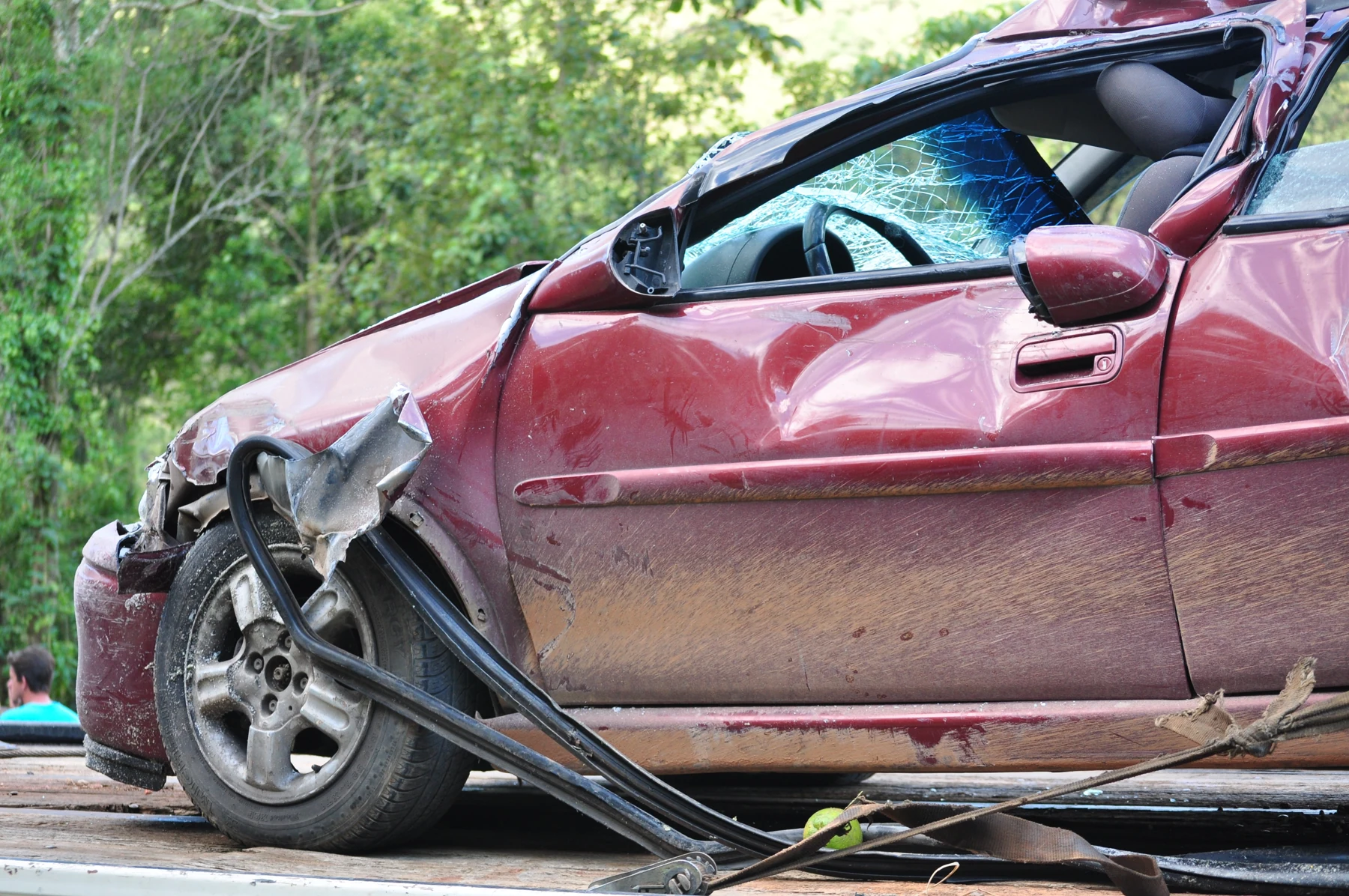
A collision can affect your health, income, property and daily life. You may have rights to accident benefits or compensation for losses caused by another party, depending on fault, applicable insurance and law. Do not assume an insurer’s initial offer fully reflects your losses. Obtain advice before settling, and consider deadlines early.
First steps at the scene
- Stop safely and remain at the scene as required by law. If anyone is injured or there is immediate danger, call 911. Follow police and emergency personnel’s directions.
- When safe, take steps to prevent further collisions, including hazard lights and moving vehicles only where appropriate. Do not risk your safety to photograph the scene.
- Exchange the information required by law, such as names, contact details, driver and vehicle information, registration and insurance. Cooperate with police, provide truthful information and report the collision where required.
- Record witness contact information, vehicle damage, road and traffic conditions, approximate skid marks and positions, photographs or a sketch if safe to do so. Keep records secure.
- Remain calm. Do not argue, speculate about fault, sign an unnecessary admission or promise payment at the scene. If a towing operator pressures you, ask police or your insurer about an appropriate tow and destination.
Medical care and insurance
Seek appropriate medical attention and follow professional advice about treatment, testing and prescriptions. Keep records of medical visits, expenses, missed work and the impact on daily activities, and notify your insurer as required.
Sinead Russell and Regan Murphy have experience with accident-related matters. Where appropriate, lawyers may work with medical consultants and researchers to understand injuries, prognosis and potential future-care needs. Our earlier article identified Dr. Karen Howlett and researcher Katherine Cox in this context; current consultation arrangements depend on the individual file.
Is there a claim, and what is it worth?
An assessment can consider liability, insurance coverage, the medical evidence, treatment costs, lost wages, diminished earning capacity, pain and suffering, household tasks, future care and other recoverable losses. Some benefits and awards are subject to legal limits or conditions. No amount can be predicted without reviewing the circumstances.
Our personal injury practice offers an initial consultation without charge and may arrange a suitable in-person, telephone or video meeting. Contingency arrangements may be available for accepted claims; the written retainer will explain the legal fee, HST, disbursements and responsibility for costs. If negotiations are unsuccessful, litigation may be considered.

Official resources
This article provides general information, not legal advice. Laws and deadlines may change; consult a lawyer about your circumstances.