
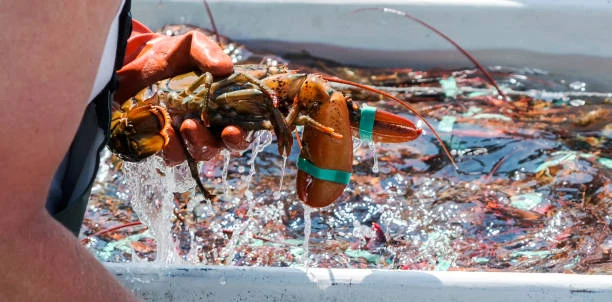
The commercial fishery is a vital part of Western Nova Scotia’s economy. It is regulated from harvesting through processing and sale. Fisheries and Oceans Canada (DFO) administers federal fisheries licences; the Nova Scotia Department of Fisheries and Aquaculture regulates relevant onshore activities; the Canadian Food Inspection Agency oversees applicable food safety requirements. Environmental legislation may also apply. Transport Canada administers vessel safety and registration, including registration of eligible vessel transfers and marine mortgages.
This article addresses commercial fisheries licensing generally. Indigenous and communal fisheries may involve distinct legal rights, licence regimes and constitutional considerations; obtain advice specific to the fishery and community concerned.
Licences and eligibility
The federal Minister has broad statutory discretion over licensing, exercised within the governing legal framework. Decisions are not immune from judicial review; the applicable procedure and grounds depend on the circumstances. Familiarity with current DFO rules and conditions is essential.
Eligibility may depend on residency, homeport, historical fishing area and other licence-specific rules. In effort-controlled fisheries, such as many lobster fisheries, gear and season restrictions are central. Competitive fisheries may be managed by an overall total allowable catch (TAC). Quota fisheries may assign individual or enterprise allocations, and temporary or permanent transfers may be possible subject to DFO rules. No general statement about catch limits or transferability applies to every licence.
Corporate structure and the inshore fishery
Some eligible inshore licence holders may hold licences through a qualifying wholly owned corporation. Corporate eligibility, ownership and control must be reviewed; requirements vary by fishery.
The Owner-Operator, Fleet Separation and PIIFCAF policies were substantially incorporated into federal inshore regulations that came fully into effect in April 2021. These rules restrict unauthorized third-party control over licences and enterprises, and may affect arrangements with buyers, processors, lenders and other parties. Financing documents and any required certifications should be reviewed carefully. DFO conducted a further regulatory review in 2026; check the applicable current rules before committing to any transaction.
Financing and the Saulnier decision
In Saulnier v. Royal Bank of Canada, 2008 SCC 58, Andrew S. Nickerson K.C. represented the appellants. The Supreme Court held that the bundle of rights associated with the commercial fishing licences at issue constituted property for the purposes of bankruptcy and Nova Scotia personal property security legislation. The appeal was dismissed. The case is important to fisheries lending but does not mean licences can be transferred or realized on without complying with DFO requirements. View the official case record.
Lenders and fishing enterprises may require appropriate security, consent or DFO filings, depending on the circumstances. We advise on enterprise acquisitions, vessel and licence financing, regulatory compliance and defence of fisheries charges.
Official resources
This article provides general information, not legal advice. Laws and deadlines may change; consult a lawyer about your circumstances.